Import & Export Companies

Import & Export Companies

Key Performance Indicator (KPI) for Import & Export Companies

To name a few:

Trade Volume & Value KPIs

  • Total Import/Export Value: Total dollar value of goods imported or exported in a given period.
  • Volume of Goods (Weight, Containers, Units): Tracks the quantity of goods moved, helpful for transportation and logistics management.
  • Trade Growth: Percentage change in import/export value or volume over time. Indicates whether your business is expanding or contracting.
  • Market Share: The percentage of total imports/exports within a specific market or for a particular product that your company handles.

Efficiency KPIs

  • Lead Time: Total time from when an order is placed to the final delivery to the customer (import) or buyer (export). Shorter lead times improve responsiveness.
  • Customs Clearance Time: The time it takes for shipments to pass through customs processes. Delays disrupt your supply chain.
  • Shipment Accuracy: Percentage of shipments that arrive at the correct destination with the correct contents and without damage. Impacts customer satisfaction and costs.
  • Dwell Time: The duration goods spend in a port or terminal awaiting pick-up or loading. Minimize dwell time to avoid extra charges.

Financial KPIs

  • Gross Profit Margin: Percentage of revenue remaining after direct costs of goods and freight are accounted for.
  • Net Profit Margin: Percentage of revenue remaining after all expenses are accounted for. Measures overall profitability.
  • Cost per Shipment: Average cost to import or export a single shipment, including freight, duties, and other associated costs.
  • Days Sales Outstanding (DSO): Average time it takes to collect payment from customers. Lower DSO is better for cash flow.

Customer-Focused KPIs

  • Customer Satisfaction Surveys (CSAT): Measure satisfaction with your services, pricing, communication, on-time delivery, etc.
  • Repeat Business: Percentage of customers who use your import/export services multiple times. Builds a loyal customer base.

Risk Management KPIs

  • Incoterms Compliance: Track instances of non-compliance with agreed-upon Incoterms (International Commercial Terms) which define responsibilities for risks and costs.
  • Foreign Exchange (FX) Fluctuations: If you trade in multiple currencies, track the impact of FX rate changes on your margins.
  • Country-Specific Risks: If you specialize in specific countries, monitor political or economic events that could disrupt your supply chain.

Additional Considerations

  • Product-Specific KPIs: Analyze volume, profitability, and lead times for your key product categories or top-traded goods.
  • Supplier/Buyer KPIs: Track on-time performance and reliability of your key suppliers or overseas buyers.
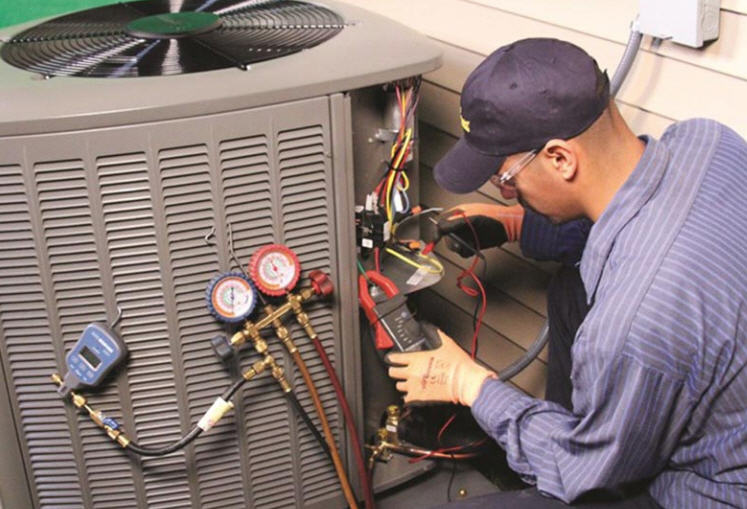
Heating & Cooling Services

Heating & Cooling Services

Key Performance Indicator (KPI) for Heating & Cooling Services

To name a few:

Specific focus (residential, commercial, installation, maintenance) affects priorities, choose the KPIs most relevant to your business model.

Service & Operational KPIs

  • Service Calls Completed: Number of service calls successfully completed in a given period. Primary metric of workload.
  • First-Time Fix Rate: Percentage of service calls resolved on the first visit without the need for follow-ups. High rate indicates strong technicians and good parts availability.
  • Response Time: Average time it takes to dispatch a technician after receiving a customer’s service request (especially critical for emergency calls).
  • Customer Wait Time: Average time from when a customer books an appointment to when a technician arrives. Shorter wait times enhance satisfaction.
  • Technician Utilization Rate: Percentage of working time technicians spend on billable service calls vs. travel, admin, etc. Higher utilization boosts revenue potential.

Customer-Focused KPIs

  • Customer Satisfaction Surveys (CSAT): Measure satisfaction with service quality, technician professionalism, pricing, communication, etc.
  • Net Promoter Score (NPS): Tracks the likelihood of a customer recommending your HVAC services. High NPS reflects satisfied customers.
  • Repeat Business: Percentage of customers who use your services multiple times. Builds a loyal client base.
  • Online Reviews: Monitor reviews on platforms like Google, Yelp, or industry-specific sites. Understand how customers perceive your business.

Financial KPIs

  • Revenue Growth: Percentage change in revenue over time. Are you growing your business?
  • Gross Profit Margin: Percentage of revenue remaining after direct costs of service (labor, materials) are accounted for.
  • Net Profit Margin: Percentage of revenue remaining after all expenses are accounted for. Measures overall profitability.
  • Average Contract Value (ACV): Average revenue per service contract (installation or maintenance agreements).
  • Customer Acquisition Cost (CAC): Cost of acquiring a new customer. Helps manage marketing spend and profitability.

Sales-Focused KPIs

  • New Maintenance Agreements: Track the number of new maintenance contracts sold, providing a recurring revenue stream
  • Installation Sales: If you offer new HVAC system installations, track sales volume and revenue.
  • Lead Conversion Rate: Percentage of inquiries or leads that turn into paying customers. Tracks sales process effectiveness.

Additional Considerations

  • Equipment Reliability: Track the frequency of breakdowns for the brands of HVAC equipment you install or service. Helps you choose reliable brands.
  • Seasonality KPIs: Analyze how service calls, installations, and revenue fluctuate throughout the year due to weather patterns. Plan accordingly!

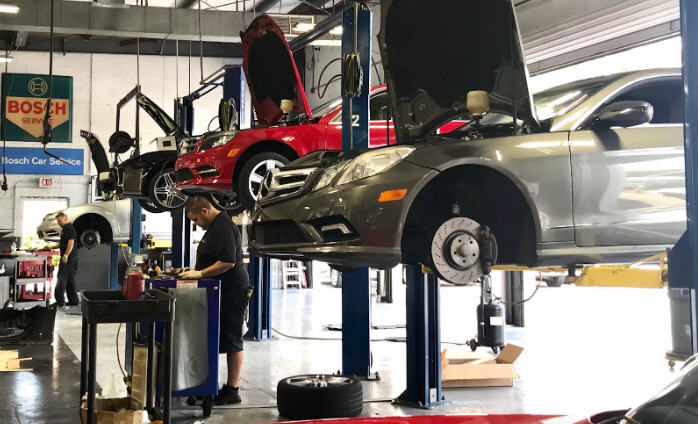
Car Service

Car Service

Key Performance Indicator (KPI) for Car Service

To name a few:

Operational KPIs

  • Average Repair Order (ARO): Average revenue generated per repair ticket or vehicle serviced. Increasing ARO drives revenue.
  • Cars Serviced Per Day/Week: Tracks the volume of vehicles you service. Impacts potential revenue and helps with staffing decisions.
  • Bay Utilization (for repair shops): Percentage of time your service bays are in use. Maximize bay time for efficiency.
  • Technician Efficiency: Measure billed hours vs. hours worked by technicians. High efficiency means greater revenue potential.
  • Cycle Time: Average time from when a car arrives for service to completion. Customers value faster turnaround.

Customer-Focused KPIs

  • Customer Satisfaction Surveys (CSAT): Gauge satisfaction with service quality, price, communication, and overall experience.
  • Net Promoter Score (NPS): Tracks the likelihood of a customer recommending your service. High NPS reflects loyalty and word-of-mouth.
  • Repeat Business: Percentage of customers who return for subsequent service or maintenance. Builds loyalty.
  • Online Reviews: Monitor customer feedback on platforms like Google, Yelp, or industry-specific sites. Actively address issues.

Financial KPIs

  • Revenue Growth: Are your sales expanding or contracting? Track the health of your business.
  • Gross Profit Margin: Percentage of revenue remaining after direct costs of service (labor, parts, etc.) are accounted for.
  • Net Profit Margin: Percentage of revenue remaining after all expenses are accounted for. Measures overall profitability.
  • Labor Cost Percentage: Percentage of revenue spent on technician and staff wages. Managing labor costs is vital.
  • Parts Inventory Turnover: How frequently you sell and replace your parts inventory. Healthy turnover improves cash flow

Service-Specific KPIs

  • Oil Changes per Day/Week: If you offer this frequent service, track its volume to understand workload and customer demand.
  • Upsell Success Rate: Track percentage of customers opting for additional services beyond their original request.
  • Detailing Package Sales: If you offer car detailing, analyze sales by package type and add-on services.

Additional Considerations

  • Customer Acquisition Cost (CAC): Tracks the cost of acquiring a new customer. Helps manage marketing and sales expenses.
  • Seasonality KPIs: Analyze how service demand and revenue fluctuate throughout the year due to weather, driving patterns, etc.

Automobile Repair

Automobile Repair

Key Performance Indicator (KPI) for Automobile Repair

To name a few:

Operational Efficiency KPIs

  • Average Repair Order (ARO): Average revenue per customer repair. Tracks service value and ability to upsell.
  • Technician Efficiency: Billable hours per technician relative to available hours. Maximizing technician productivity is key.
  • Parts Availability: Percentage of parts in stock when needed. Avoids delays and customer frustration.
  • Cycle Time: Average time a vehicle spends in the shop from arrival to completion. Shorter times improve customer satisfaction.
  • Comebacks: Percentage of repairs that need to be re-done due to issues. High comeback rates indicate quality control problems.

Customer Satisfaction KPIs

  • Customer Satisfaction Scores (CSAT): Surveys to gauge satisfaction with the repair process and the outcome.
  • Net Promoter Score (NPS): Measures the likelihood of a customer recommending your shop. High NPS reflects strong loyalty.
  • Online Reviews: Monitor and address customer feedback on platforms like Google and Yelp.
  • Customer Retention Rate: The percentage of customers who return for additional repairs and maintenance. Building customer loyalty is crucial.

Financial KPIs

  • Gross Profit Margin: Percentage of revenue remaining after the direct cost of repairs (parts, labor).
  • Net Profit Margin: Percentage of revenue remaining after all expenses (overhead, labor, etc.) are accounted for. Measures overall financial health.
  • Labor Efficiency Rate: Actual revenue generated per hour of technician time vs. your standard billing rate. Higher rates suggest greater profitability.
  • Inventory Turnover: How often parts inventory is sold and replaced. High turnover reduces holding costs.
  • Days Receivable Outstanding (DSO): Average time to collect payments. Lower DSO improves cash flow.

Growth & Sales KPIs

  • New Customers Acquired: The number of new customers in a given period. Helps track growth.
  • Customer Acquisition Cost (CAC): Cost to acquire a new customer through marketing and sales efforts. Monitor this to manage growth expenses.
  • Referral Rate: Percentage of customers coming through referrals. Strong referrals indicate positive customer experience.

Additional Considerations

  • Technician Specialization: If you have technicians specializing in specific car brands or systems, track performance metrics relevant to their areas.
  • Warranty Repairs: Track the volume and cost associated with warranty repair work to understand its impact on profitability.